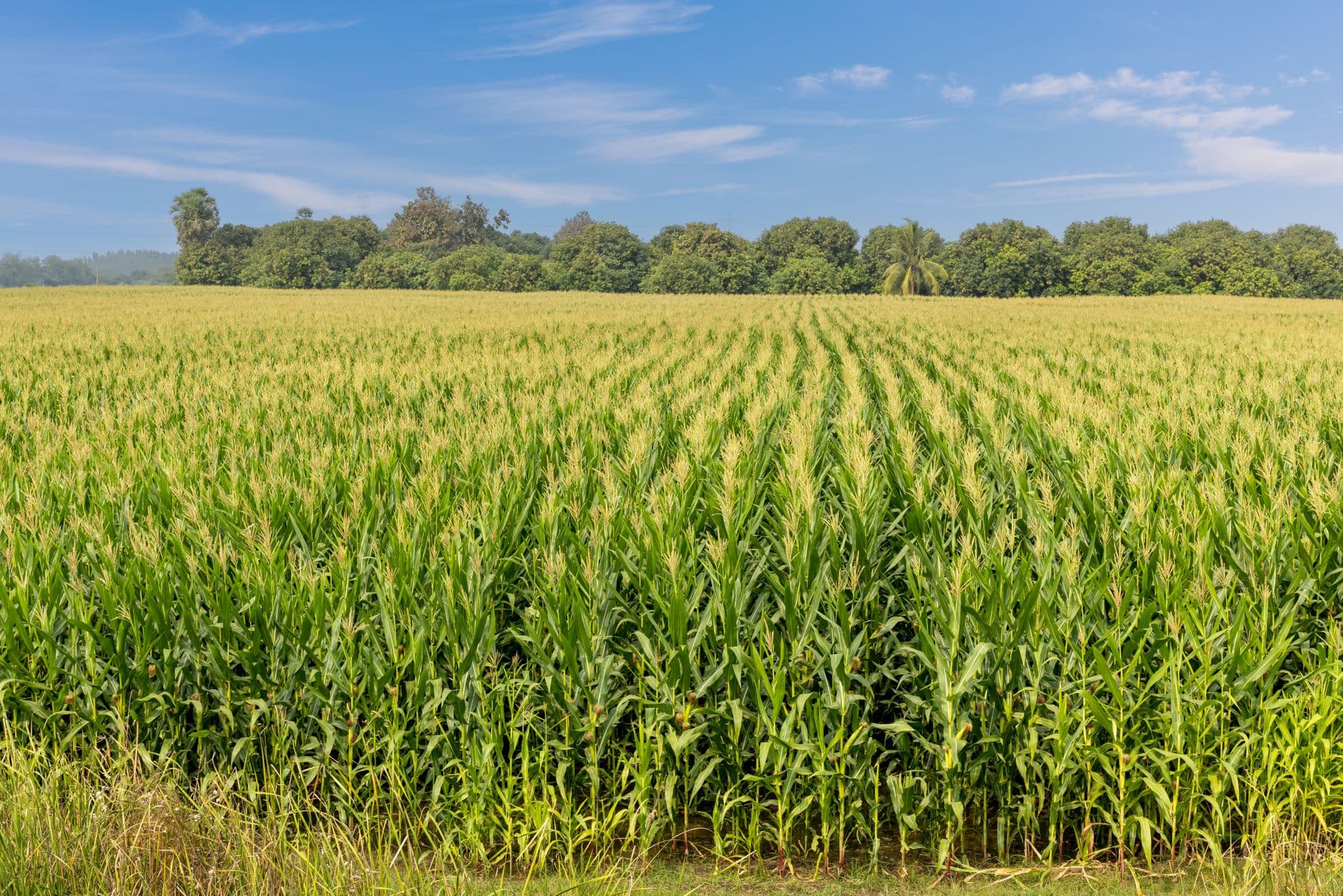
Drive north from the Ganga towards the Nepal border in late February and the land changes. Maize stands shoulder high around Purnea and Katihar, litchi orchards thicken near Muzaffarpur, and the ponds of Darbhanga and Madhubani are covered in makhana leaves. None of this is luck. It comes down to soil, water and rivers.
Land built by rivers
The Seemanchal, Koshi and Mithila regions of North Bihar sit on the Himalayan alluvial plains, part of the wider Indo-Gangetic plain. The ground here was laid down by rivers, and it still is. The Koshi, Gandak, Mahananda, Bagmati and Kamla all come down from Nepal before crossing into Bihar. Every monsoon they arrive heavy with silt washed off the Himalayan foothills.
When those rivers spill onto the floodplains, they leave a fresh coat of that silt behind. Farmers have long treated it as a free top-up of fertility. Fields that would slowly wear out elsewhere are partly renewed each year, with fine, loamy soil that holds moisture and is easy to work. Add a high water table and plenty of surface water, and irrigation is rarely the limiting factor it is in drier parts of India.
It would be dishonest to stop there. The same rivers that feed the soil also flood it. The Koshi has shifted its course many times over the past few centuries and is still called the Sorrow of Bihar. Floods wash out crops, houses and roads, and in a bad year they can undo a season's work in a few days. Anyone who farms or sources here lives with both sides of that bargain.
What grows well here
The crop mix says a lot about the conditions. A few stand out.
- Rabi maize. Winter maize is now one of the main crops of Seemanchal and the Koshi belt, and Purnea, Katihar, Khagaria and Madhepura are among the biggest maize districts in the state.
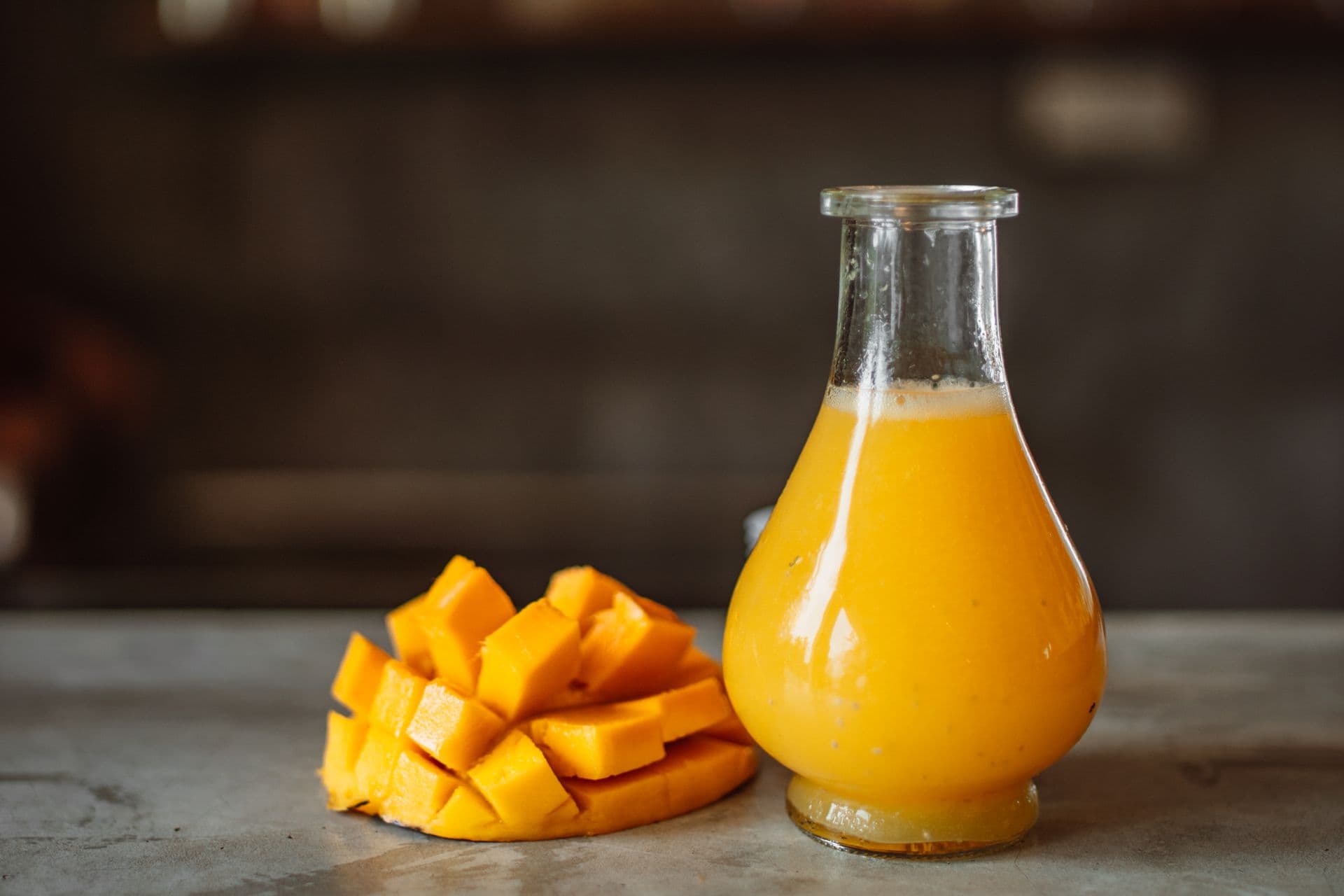
- Litchi. Bihar is commonly cited as India's largest litchi producer, and Shahi litchi from the Muzaffarpur area carries a GI tag for its size, aroma and sweetness.
- Mango. Maldah, often called Langra, is grown widely, and Zardalu, a GI-tagged variety from Bhagalpur just across the Ganga, is prized for its fragrance.
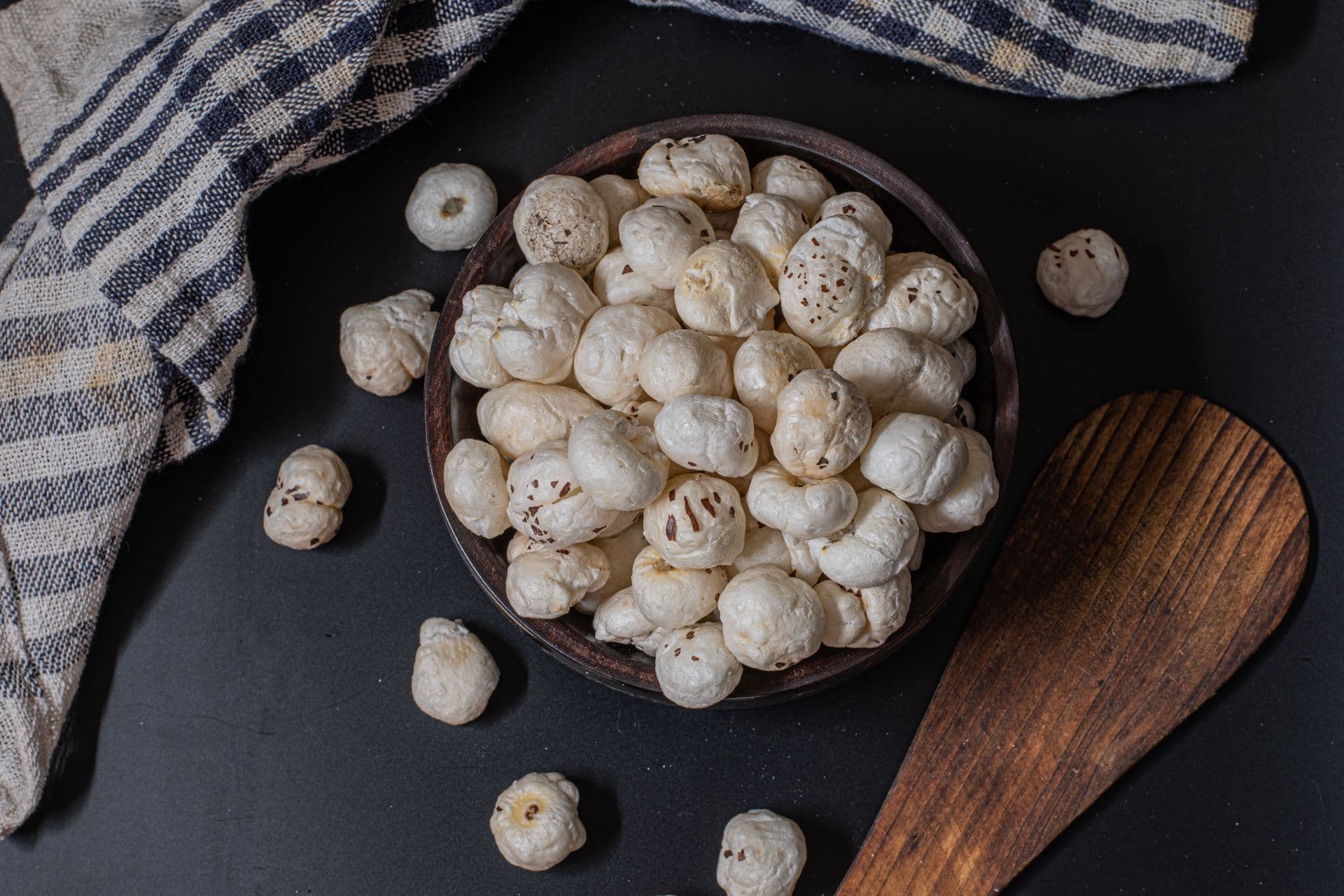
- Makhana. Most of India's fox nut comes from the ponds and wetlands of Mithila and Seemanchal, and Mithila makhana has a GI tag of its own.
- Pineapple. Kishanganj, close to the Bengal border, grows pineapple on acidic, well-drained land that suits it far better than most field crops.
- Mushrooms. Paddy and wheat straw, left over in large amounts after harvest, make a cheap growing base for mushrooms.
Why this matters to a food buyer
For a processor or importer, good soil only counts if it shows up in the product. Here it does, in three practical ways.
The first is consistency. A region with dependable water and fertile ground turns out raw material that varies less from lot to lot, which makes grading, blending and holding a specification easier. The second is flavour. Litchi, mango and makhana from this belt already have a name among Indian buyers, and the GI tags exist because the local character is real. The third is time. Litchi starts to lose quality within hours of picking. When processing sits close to the fields, the gap between harvest and sorting, freezing or drying shrinks, and less is lost on the way.
The problems farmers still face
Fertile land has not made farming here easy. Holdings are small and have been divided between heirs over generations, so one family may work a handful of scattered plots. Most produce passes through several middlemen before it reaches a processor. Each takes a share, which leaves the grower with a thin margin and little reason to spend more on quality.
Post-harvest loss is the other big gap. Cold storage is scarce across much of Seemanchal, so fruit is often sold in a hurry at whatever price is going. Litchi that could have fetched a fair price goes soft in a few days. The soil has done its part. The weak link is what happens after the crop leaves the field.
How O Farm works with the region
O Farm is based in Gulabbagh, Purnea, in the middle of this belt. We were incorporated in December 2025 with a plain idea: buy as directly as we can, pay for quality, and process near where the crop is grown.
In practice that means sourcing from farmers and farmer producer organisations rather than long trading chains, and linking price to grade so that better produce earns a better rate. It means keeping processing close to the fields, so produce spends less time on trucks. And it means recording each lot from the farm through to shipment, so a buyer can see where the material came from.
We are a young company and would rather say so. If you buy maize, makhana, fruit or other produce from eastern India and want to know how we source, call us on +91 9135 242 242 or write to ofarmpvtltd@gmail.com. We are always glad to talk.
Talk to O Farm
Looking for a reliable source in North Bihar?
Tell us what you need and we will send specifications, samples and a quote.